Reviews

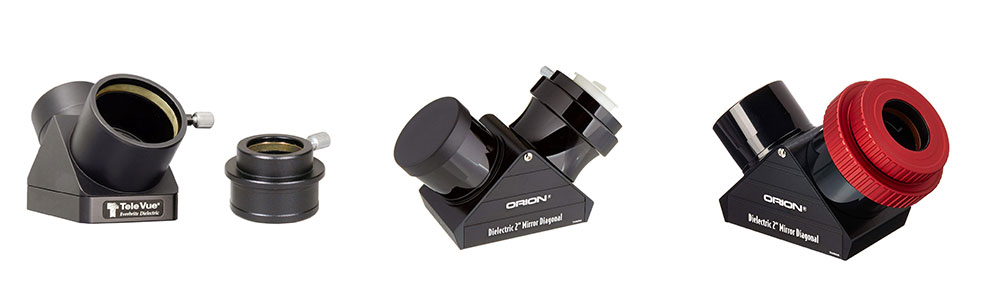
If you use a refractor, SCT, or MCT, more than likely you are using a telescope diagonal. While there are
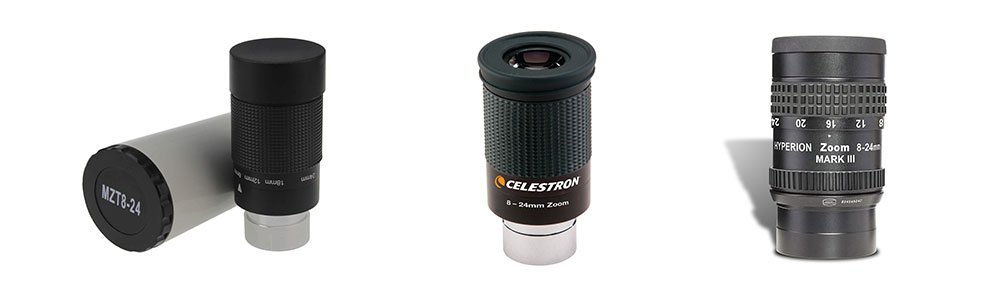
A telescope zoom eyepiece allows you to have several telescope eyepieces installed in your telescope at one time, making viewing
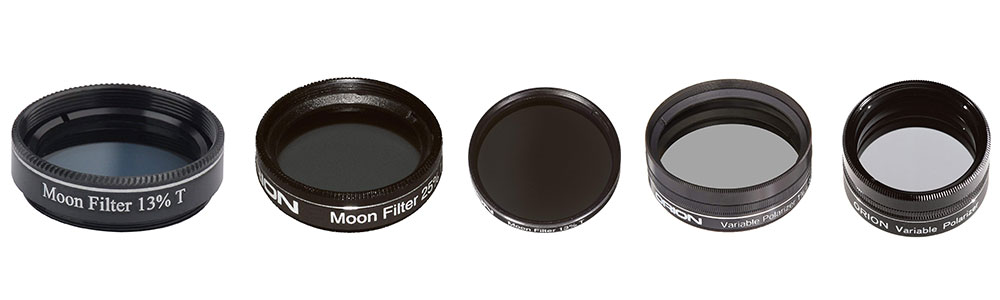
The moon is  a surprisingly bright object, particularly when using a telescope. You need a moon filter to darken the
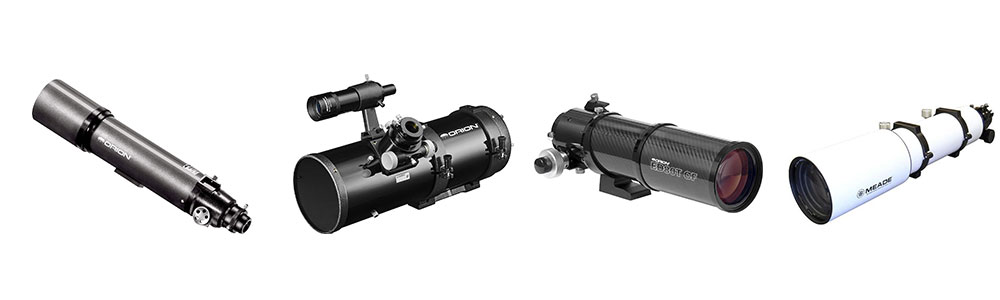
The best astrophotography telescope for beginners can be a tricky problem to solve. Lots of people what to find the
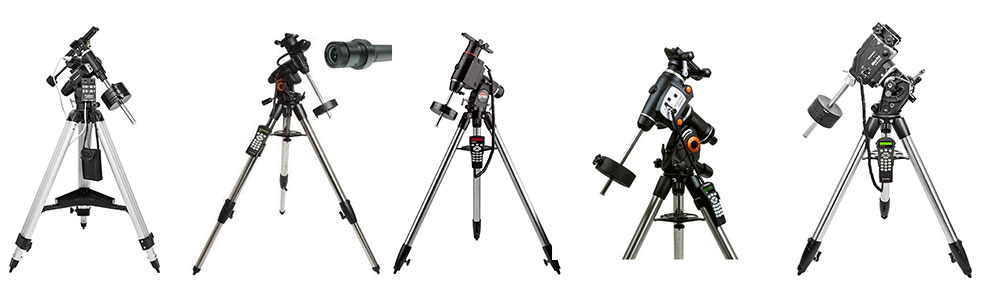
Once you have a telescope picked out you need to find the best astrophotography mount for that particular scope. Unfortunately
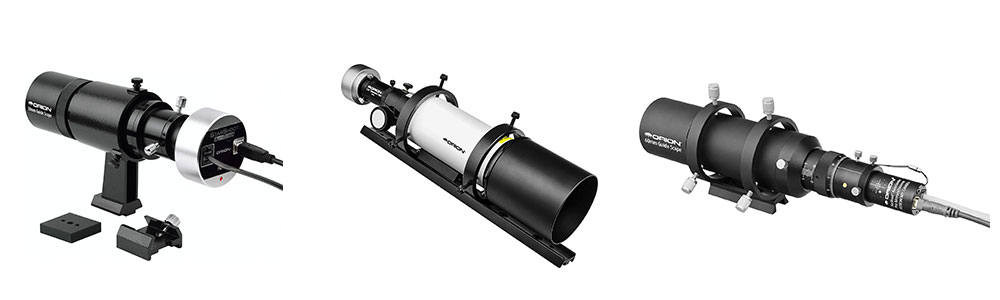
If you are even reasonably serious about doing some astrophotography you will eventually want an autoguider and guide scope to
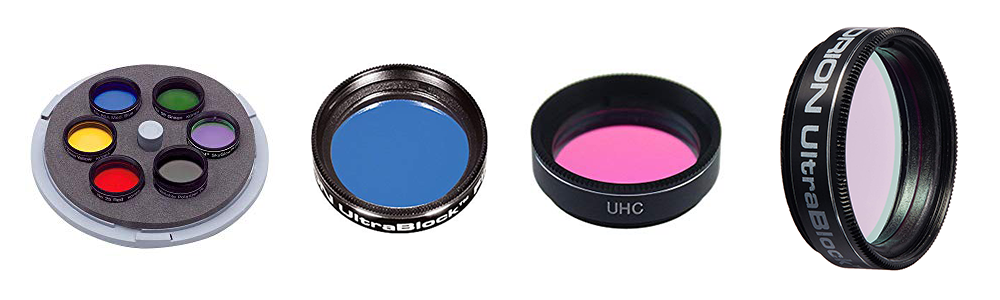
Telescope filters are a common accessory in amateur astronomy and can substantially improve your views of the moon, galaxies, and

Best Telescope Diagonals for you in 2025

If you use a refractor, SCT, or MCT, more than likely you are using a telescope diagonal. While there are a lot of people who blow off the idea of upgrading their diagonal saying it is “just a mirror”, they must have never used a really bad, or really good, diagonal.

Diagonals do a lot of things, including their primary purpose, which is to use a mirror to reflect the image at 45 or 90 degrees. This allows you to look through your telescope with less strain on your back and neck. In order to do this well they need to have a very good mirror, to be solid so they do not flex when used such as with a heavy eyepiece, to hold the eyepiece securely, and to eliminate reflections inside the housing so that the image remains crisp and contrasty.

Of all these things, the only thing anyone seems to fret about is the mirror. In the vast majority of telescope diagonals, there are two basic types of mirrors; standard and dielectric.

Standard telescope diagonal mirrors usually have a reflectivity of about 80-90% and can be coated metal, glass, or plastic.

Dielectric mirrors are generally at least 99% reflective, if not higher (some can reach 99.99% or higher). This is created by using various methods to deposit extremely thin layers of optical materials over a base, generally made of glass. Using this method not only allows one to very precisely control the reflectivity percentage, but also the wavelengths of light that are reflected, and how precisely that light is reflected.

In other words, the better the diagonal, the more light, and better quality light, will be reflected. Telescope diagonals are not all created equally.

That being said, you can gain quite a bit from upgrading that cheap diagonal that came with your beginner telescope but will gain little from a midrange dielectric model to the best telescope diagonal on the market. If however, you are attempting to squeeze every single photon out that you can, this is an excellent upgrade because it improves every telescope and every eyepiece used with it. Of course, better eyepieces help too!

Let’s take a look at the telescope diagonal reviews

1.25″ Telescope Diagonal

These are the diagonals you should consider if your telescope will only accept 1.25″ diagonals. If you just have 1.25″ eyepieces, but your telescope is capable of using 2″ eyepieces, I would highly recommend you look at the 2″ telescope diagonals instead.

SVBONY SV221 telescope diagonal

Looking for something basic but better than the cheap one that came with your telescope and broke almost immediately? This SVBONY SV221 90 Degree Diagonal Mirror is just the ticket. While the body is plastic, it is more durable ABS instead of whatever they make the cheap ones out of that seem to break on first use.

This diagonal also uses a brass compression ring to prevent scratches to your eyepieces and provide better grip.


SVBONY Telescope Diagonal

If you are looking for a high quality basic telescope diagonal, look no further than this SVBONY 1.25 inches 90 Degree Dielectric Mirror Diagonal. This is a very solid replacement for a lost or broken diagonal that came with your first telescope, or a great upgrade if your telescope came with a plastic diagonal.

I personally really like the fact that they use a brass compression ring instead of a set screw, as they tend to hold better and prevent scratches to the eyepiece barrel, and it has a nice solid feel to it.

Being dielectric means it reflects more light than a standard mirror. While this may not sound like a big deal, it is when you are trying to see very faint nebulae or want the maximum contrast on planets.

Celestron Dielectric Star Diagonal with Twist Lock

When you want to up your game, the Celestron Dielectric Star Diagonal with Twist Lock is the next logical step. With this telescope diagonal, you get an impressive build quality, premium optical glass, 58 layers of dielectric coatings, and an amazing twist lock holding system for your eyepieces that can not scratch your eyepieces.

The diagonal also includes a nice barrel stop to prevent your eyepieces or accessories on your eyepieces (like filters) from coming into contact with the mirrors and ruining them.

Talking about build quality, the mechanical parts of this diagonal are machined black anodized aluminum, making this an amazing diagonal to hold while providing light weight and exceptional rigidity. Truly one to keep for the rest of your life.

teleview diagonal

For those who want the best, this is it, the Televue 90° 1 1/4” DPC-1250 Everbrite diagonal. This is one you can invest in and use for a lifetime without every worrying about needing something better. Their description says “Whiter and brighter images”. Simply put, that is the benefit of the Everbrite mirror coating. This exotic, dielectric, nonmetallic coating is 99% reflective across the full visual spectrum (many others test one wavelength of light), resulting in the “whitest,” most natural image available. The coating is painstakingly applied to Pyrex with a surface accuracy of a 1/10 wave flatness.

While other manufacturer’s talk about reflectivity, light baffles, and build quality, no one ever mentions the mirror base, the part of the spectrum reflected, or the flatness of the mirror, except TeleVue. When you want to see the absolute best image possible through your telescope with no excuses, this is the one you should reach for.

2″ Telescope Diagonals

These are the diagonals you should look at if your telescope can accept 2″ eyepieces, regardless of whether you have 2″ eyepieces or not.

Astromania 2" diagonal

If you are looking for 2″ diagonals, the first thing you will notice is they are more expensive by quite a bit. Most people looking for 2″ models have much nicer telescopes and eyepieces, so are not interested in $19.99 diagonals that provide inferior performance. So we start out with this excellent “basic” model, the Astromania 2 Inch Star Diagonal with 93% Reflectivity Dielectric Coatings.

This is a nice, solid unit which provides far superior reflectivity (93%) than non-dielectric models (80-89%). They also use high quality mirrors and heavy aluminum alloys to make it rock stable. Overall a good choice for an entry level 2″ telescope diagonal.

SVBONY 2" telescope diagonal

SVBONY has been making a lot of good, inexpensive astronomy equipment lately, and here is a fine example. The SVBONY SV188P Dielectric Mirror Star Diagonal provides 99% reflectivity in a package that not only feels premium and provides excellent views, but it looks pretty nice as well.

They have also thought of the little things with a matte black interior, black velvet inserts on the sides, M48x0.75 filter threads on the nose, brass compression ring, and an included 1.25″ to 2″ adapter for your 1.25″ eyepieces.

For just a few dollars more than the cheapest 2″ telescope diagonal on this list, this is absolutely worth the money.

Celestron twist lock 2" telescope diagonal

Celestron’s top-of-the-line 2″ telescope diagonal is the Celestron 93573 Dielectric Star Diagonal 2″ with Twist Lock and just like the 1,25″ version I discussed above, it is a real treat to use. It also has impressive build quality, premium optical glass, 58 layers of dielectric coatings, a barrel stop, the Twist Lock locking ring, and is machined from black anodized aluminum.

In other words, it is just an almost identical version of the 1.25″ model, with a higher price tag. Still, if you want a diagonal providing excellent views with excellent features that will last you a lifetime and protect your eyepieces, this is an excellent choice.


Tele Vue 2" 90-deg Everbrite Star Diagonal with 1.25" High-Hat Eyepiece Adapter # DDP-8004

This is the big daddy of them all, the Tele Vue 2″ 90-deg Everbrite Star Diagonal with 1.25″ High-Hat Eyepiece Adapter # DDP-8004. If you need every single photon, then you need this. Just like their 1.25″ version shown above, their description reads “Whiter and brighter images”. Simply put, that is the benefit of the Everbrite mirror coating. This exotic, dielectric, nonmetallic coating is 99% reflective across the full visual spectrum, resulting in the “whitest,” most natural image available. The coating is painstakingly applied to Pyrex with a surface accuracy of a 1/10 wave flatness.

I know a couple of people online who have one of these, I have never actually seen anyone who uses one in real life. While I have absolutely no doubt they are the best of the best (everything else TeleVue I have used is), I have never been able to tell the difference between one of these and the Orion 8727 telescope diagonal I use. Maybe my eyesight isn’t good enough, maybe my telescope isn’t good enough, who knows.

Conclusions

Telescope diagonals are important parts of your ability to see objects and get the most out of your telescope. They can not only improve your views, but your enjoyment of the hobby as well. Nothing is worse than having equipment that breaks or only gives you a fraction of what you should have. They also improve the views of every single eyepiece you use.

That doesn’t mean you have to spend a fortune to get good views. A simple dielectric model with fit most people just fine, then you can upgrade to a higher-end model when you are more advanced and have a better telescope. I would never suggest you spend $300 on a diagonal for a $299 telescope with $20 eyepieces. Still, upgrading your little plastic diagonal that came with a beginner telescope is a worthwhile investment.

I hope this article will help you pick out the best telescope diagonal for your needs.

Best Telescope Zoom Eyepiece for 2025

A telescope zoom eyepiece allows you to have several telescope eyepieces installed in your telescope at one time, making viewing easier and faster. In addition, this also allows you to spend less money as one zoom eyepiece can cost less than the several eyepieces you would have to buy to give you the same views.

If you have a typical beginner telescope it probably came with one or two Plossl eyepieces. Looking around a reasonable Plossl eyepiece can run $30-$50 on average. If you assume $40 and the typical zoom eyepiece allows five magnifications, that is the equivalent of $200 worth of eyepieces.

While having a zoom makes you wonder why anyone would ever buy a regular non-zoom eyepiece that answer is simply, optical quality and field of view. When considering a zoom eyepiece or fixed eyepiece, you have to decide between saving time and money or getting the best image quality you can.

Zoom eyepieces are just like zoom lenses on cameras in that in order to make them work on a variety of different focal lengths, sacrifices have to be made and this usually results in the zoom lens being inferior optically to a fixed focal length lens. Of course, you may not even notice the degradation in optical quality, particularly with beginner telescopes and inexperienced users. Many beginners like to start off using zooms so they get a feel for what eyepieces they really need.

In addition to the optical degradation, zooms are generally restricted to between 40-60 degrees field of view. This is about the same as the typical Plossl (50-55 degrees). High-end zooms can run as wide as 68 degrees bringing them up in line with midrange eyepieces such as Baader Hyperions, Orion Q70s, and Tele Vue Panoptics.

These higher-end zooms also tend to rival the optical quality of standard eyepieces unless you intend to push them to the very edge of their performance. In layman terms, unless you have a medium to high-end telescope and years of experience, you would be hard-pressed to see much of a difference between the higher-end zooms and fixed focal length eyepieces.

The three best telescope zoom eyepiece choices

Astromania Zoom Eyepiece

The Astromania 1.25″ 8-24mm Zoom Eyepiece is an excellent introduction to telescope zoom eyepieces. With excellent eye relief and a 40-60 degree field of view, this is the perfect replacement for your Plossl eyepiece collection. The addition of 1.25″ filter threads on the base and t-ring threads on the top make this a very flexible choice.

The threads on the nose allow you to add any 1.25″ filter such as light pollution filters, ultra-high contrast filters, or a simple moon filter. This is particularly convenient since you will be using this one eyepiece at several different magnifications.

The T-Ring threads on the top allow you to connect your camera using a T-Ring adapter (assuming you have a camera with removable lenses) so that you can take pictures without having to purchase another adapter. Of course, you will have to buy the T-Ring that mates with your camera and screws onto the end of this eyepiece but those are very inexpensive.

While the optics are nothing to write home about, they are more than sufficient to use in a beginner telescope with most targets a beginner will be observing.

Celestron 8-24mm zoom eyepiece

The Celestron 93230 8 to 24mm 1.25 Zoom Eyepiece has roughly the same field of view, filter threads, and eye relief as the Astromania above and even has the T-Ring threads on the top. Why is it better? Because the optics are far superior. This eyepiece comes very close to the same optical quality as a handful of medium grade Plossl eyepieces.

This is also a fairly substantial eyepiece just feeling a little more solid in the hand than the Astromania version, not just in weight (it is about twice as heavy) but also in build quality/materials. I also liked the rubber eyecup on this one better than the Astromania version, although that is a bit subjective.

If you are looking for something good, and are not sure if you want to commit to more serious astronomy gear, then this would be an excellent telescope zoom eyepiece to add to your kit.

Baader Hyperion Zoom Eyepiece

When you want a really nice eyepiece, that also just happens to zoom, the Baader Planetarium 8-24mm Hyperion Clickstop Zoom Mark IV Eyepiece is what you want. Fully multicoated world-class optics, 68-degree field of view, twist-up eyecup, filter threads, available T-Ring adapter, and it fits both 1.25″ and 2″ focusers. If you have ever used a Baader Hyperion (or Orion Stratus) eyepiece, then you already know the quality of the equipment they make, and this is no exception.

Yes, this Baader zoom eyepiece is very expensive compared to the other telescope zoom eyepieces, but with its superior optics and 68-degree field of view this eyepiece doesn’t replace five $50 Plossl eyepieces, it comes closer to replacing five $189 Hyperion eyepieces.

I also like the fact that this is a substantial eyepiece weighing 33% more than the Celestron and 100% more than the Astromania. That may seem like a downside, but it really isn’t as the extra weight makes it much more solid and easier to handle. The rubber grip around it is also grippier than either of the other two eyepieces, so again, it tends to stay in your hand better. You would be surprised how that extra weight works when your hands are cold or slippery with sweat.

While I could write an entire Baader zoom eyepiece review, it can be summed up by saying I am not convinced that this eyepiece is as good as the fixed focal length Baader Hyperions, and it certainly is not as good as a TeleVue Pantopic, it is an excellent eyepiece where you will be hard-pressed to find faults in all but the most extreme conditions.

No Baader Hyperion zoom mark iv review would be complete without mentioning that Baader makes a wide array of adapters to use on their eyepiece. You can visit the manufacturer’s website for more information if you are interested.

There are a lot of other zoom eyepieces out there on the market, but these are the ones I would highly recommend you take a look at adding to your equipment. If you are more interested in fixed focal length eyepieces, check out this article on The Best 5 Telescope Eyepieces.

I hope this article has helped you pick out the best telescope zoom eyepiece for your needs and budget!

5 Best Moon Filter for your telescope in 2025

The moon is  a surprisingly bright object, particularly when using a telescope. You need a moon filter to darken the image to make it less painful to view. There are a lot of moon filters out there so figuring out which is the best fit for you and your budget can be hard. The following reviews hope to help you decide which moon filter to get.

About a Moon Filter

Moon filters are supposed to darken the image. They can do this in two general ways; neutral density or polarization.

Neutral density and the traditional type of filter and simply means that the filter will darken the object a specific amount in all color wavelengths. These filters contain gray glass which act just like sunglasses. Better ones darken the image without changing the color of the image, it remains neutral. These generally come in 13% and 25% versions where the lower the number, the less light it allows through.

Larger telescopes such as medium to large Newtonians and Dobsonians typically have brighter images so a lower number filter such as the 13% is the preferred filter. Smaller telescopes like a refractor or small Newtonian might be better off with a 25% model.

A polarization filter is generally variable moon filter allowing you to change the amount of light removed to suit your tastes. These filters work by removing light coming in at angles and only allowing light coming straight through the filter. Since the moon tends to scatter the light it reflects from the sun, these work surprisingly well but are more expensive.

Adjustment of a polarizing filter is done by rotating the two pieces of the filter (top and bottom) which in turn rotates the two pieces of glass inside the filter. When rotating you will see the image appear to darken and then lighten again. This allows you to get just the right amount of light.

Polarizing filters have a range of light adjustment which can go from around 1% to 40%. This range is much darker on one end and much brighter on the other end than traditional filters so it makes them perfect for any type of telescope with any aperture.

Another advantage of the polarizing filters is that since the light is no longer scattered, the image appears much sharper and clearer.

Recommended Moon Filters 1.25″

If you have a 1.25″ diagonal or only 1.25″ eyepieces then these are the filters you need.

Svbony Moon Filter

The Svbony 1.25″ 25% Transmission Filter is an excellent choice for your first filter. With an aluminum frame and actual optical glass it is much higher quality than some others in its price range. Less expensive models typically have plastic threads and/or plastic optics.


Svbony 12.5% moon filter


If you want something that blocks a little more light such as for larger telescopes, this Svbony SV139 Telescope Filter Moon Filter 1.25 inch 12.5 Percent Transmission is an excellent choice. Just like the previous mention, it has a metal filter cell and optical glass which cuts the light while not affecting the color. I have used one of these for years, and it works very well.

Celestron variable polarizing moon filter
For the ultimate in control this Celestron Variable Polarizing filter allows you to control the amount of light passing through from 1% to 40%. It manages this while reducing light scatter, which increases contrast substantially. This is the ultimate moon filter as it allows you to dial in the exact amount of filtering to get the perfect brightness while making the image sharper and clearer.

Recommended Moon Filters 2″

Have a 2″ diagonal or 2″ eyepieces? Then you need a 2 inch moon filter.

Astromania 13% moon filter
If you have a telescope using a 2″ diagonal or 2″ eyepieces then it is probably not a small telescope so you need a 13% filter at a minimum like this Astromania 2″ 13 Percent Transmission Filter. This filter is built very well and is optically excellent featuring a metal filter cell and good optical glass.

Believe it or not these filters are also useful with beginner astrophotography with cameras that do not have manual exposure settings. These cameras can tend to overexpose the image because there is a lot of black surrounding the moon. Using a moon filter in this situation reduces the contrast between the moon and background allowing the camera to get a better image.

I hope this article will help you choose the right moon filter for you!

Best Astrophotography Telescope for Beginners 2024

The best astrophotography telescope for beginners can be a tricky problem to solve. Lots of people what to find the best telescope for astrophotography 2018 but it is not as simple as you might think. The answer is really in two parts, the telescope and the mount.

More concerns than just the best astrophotography telescope

People tend to put too much emphasis on the camera and while a good camera will indeed give you better images, if you do not start with a reasonable telescope and a good mount, the best camera in the world will give you garbage pictures.

Mounts will be covered in another article but I have to mention them here because they are critical to selecting a telescope. The mount has to be able to hold your telescope, camera, and all accessories with incredible stability. If you choose a telescope that is too large for your mount, your images will be terrible. On the other hand, if you choose a mount too big, you waste money and effort carrying a heavy mount out for no reason.

You can always error on the side of caution and get a mount too big which will make sure your images are sharp and you have room to grow, but keep it reasonable. More than one budding astrophotography has given up or dramatically reduced their imaging time because they didn’t want to lug all that heavy equipment out in the field.

The best astrophotography telescopes

To start your journey in astrophotography it is hard to argue with starting with something small and stable. The best astrophotography telescope is not necessarily the biggest. You do not need huge telescopes to start with and in fact some of the most amazing astro images out there come from remarkably small telescopes.

Orion 9895 ED80 one of the best astrophotography telescope
Orion 9895 ED80 80mm f/7.5 Apochromatic Refractor Telescope $479

To start with, this little Orion 9895 ED80 80mm f/7.5 Apochromatic Refractor Telescope is almost the single best astrophotography telescope for beginners. While it is a doublet (has two lenses) instead of the triplets (three lenses) most astrophotographers want, it is very well corrected.

The Orion ED80 is light and compact, coming in at only a little over 5lbs meaning even smaller mounts can use it effectively.

One disadvantage of refractors like this one is that they may suffer from a curved field. This is where the stars are not rendered as round near the edge of the image but more oblong or egg shaped. If this occurs and you object to it, Orion makes the Orion 8893 field flattener that solves this issue.

This is the quintessential beginner astrophotography telescope.

Great: Not so great:
Small and light at 5lbs Single speed crafyford
Well corrected for an ED doublet No tube rings or mount rail included
Very reasonably priced May require Orion 8893 field flattener
Orion 6 Inch f/4 Newtonian Astrograph Best astrophotography telescope
Orion 6 Inch f/4 Newtonian Astrograph Reflector Telescope $400

If you want a little more aperture without breaking the bank you can look at the Orion 6 Inch f/4 Newtonian Astrograph Reflector Telescope. Compared to the ED80 we just talked about you go from around 3″ of aperture to 6″ for a substantial gain in light gathering. This means substantially shorter exposures. This absolutely qualifies it for one of the best astrophotography telescope choices.

Astrographs are Newtonian telescopes designed specifically for astrophotography. Many Newtonians will not work correctly because of problems such as insufficient back focus. All of these problems have been addressed with an astrograph.

The 6″ Astrograph also comes with tube rings, a mounting rail, a finder (which you can promptly throw away in favor of a guidescope), and a nice 2″ dual speed Crayford focuser.

The down side is that not only is this a heavier telescope, but it also is much physically bigger and therefor catches more wind making it less stable. Of course if you can keep it 100% out of the wind, that doesn’t’ matter as much.

This is probably the best telescope for astrophotography under $500 you can buy.

Great: Not so great:
Gathers much more light than ED80 Heavier (13lbs) and higher wind load than small refractors
Includes tube rings and mounting rail May require coma corrector
Dual speed crayford focuser
Excellent aperture for the money
Orion 9534 ED80T CF Triplet Apochromatic Refractor Telescope
Orion 9534 ED80T CF Triplet Apochromatic Refractor Telescope $950

If you want to start with something really nice, the Orion 9534 ED80T CF Triplet Apochromatic Refractor Telescope is hard to beat. Even people who don’t really like Orion products consider this one of the best astrophotography telescopes for beginners because it provides amazing optics in a robust lightweight package.

The improved optics over the less expensive Orion 9895 ED80 provide sharper stars and better contrast which results in overall better images. The ED80T also has a dual speed Crayford focuser making it far easier to get that tack sharp focus. Additionally, all these improvements add surprisingly little weight as the telescope tube is lightweight carbon fiber.

This is probably the best astrophotography telescope under 1000 you can buy and the best 80mm refractor for astrophotography without getting insane.

Great: Not so great:
Excellent APO Triplet optics Not as affordable as other options
Dual speed Crayford focuser May require Orion 8893 field flattener
Includes mount shoe
Very light weight for it’s features at 10.5lbs
Includes a hard carry case
Orion 8297 8-Inch f/3.9 Newtonian Astrograph Reflector Telescope
Orion 8297 8-Inch f/3.9 Newtonian Astrograph Reflector Telescope $480

If you have a large mount at least as big as an Orion Atlas or Celestron CGEM then this Orion 8297 8-Inch f/3.9 Newtonian Astrograph Reflector Telescope might be the telescope for you. Boasting 8″ of aperture it collects a lot of light in a hurry meaning shorter exposures and the ability to capture dimmer objects.

The trade off of course is that this is a big wind bucket that can be moved by the slightest of breezes, which requires a very stable mount to hold it on course. If you have a large mount, this will capture astonishing images with impressively short exposures making it among the best astrophotography telescopes for beginners.

Great: Not so great:
Gathers much more light than refractors Huge wind bucket requires very stable and heavy mount
Includes tube rings and mounting rail May require coma corrector
Dual speed crayford focuser
Excellent aperture for the money
Largest aperture Newtonian you can realistically use

Best Astrophotography Telescope for Beginners not on a strict budget

Meade Series 6000 115mm f/7 ED Triplet APO Refractor Telescope
Meade Series 6000 115mm f/7 ED Triplet APO Refractor Telescope $1900

Time for a curve ball. At this point you would think that we only talk about Orion equipment around here, and Orion does make a very nice selection of equipment making it hard to ignore. But they don’t take our top spot, that honor goes to the  Meade Series 6000 115mm f/7 ED Triplet APO Refractor Telescope.

Everyone I have ever talked to who uses one of these raves about the quality of this telescope. From the amazing optical quality to the almost indestructible build quality, it is a serious telescope.

The scope also achieves all of this while only weighing a little over 12lbs.

Great: Not so great:
Excellent triplet APO with ED glass Substantial enough to require a medium/heavy mount
More aperture for shorter exposures than 80mm May require Meade 661001 field flattener
Amazing dual speed Crayford focuser
Includes heavy tube rings
Comes with aluminum hard case

I hope this article has helped you to pick out the best astrophotography telescope for your needs.

Best Astrophotography Mount for 2024

Once you have a telescope picked out you need to find the best astrophotography mount for that particular scope. Unfortunately there is no one best, but only the best for the weight you need to support and your budget.

What follows is the best equatorial mount for astrophotography in order of weight supported, and funny enough, price.

The Best Astrophotography Mount under $2000

Orion AstroView EQ Mount & EQ-3M Motor Drive Kit
Orion AstroView EQ Mount & EQ-3M Motor Drive Kit $350

If you are just starting out and have a little 80mm refractor you might want to start with something inexpensive to see how you like it. The Orion AstroView EQ Mount & EQ-3M Motor Drive Kit might be the best astrophotography mount for you.

Allowing you to use up to 12lbs of payload (telescope, camera, and all other attachments) it is ideal for small refractors such as the Orion ED80. This is not a GOTO system and is not computerized, but instead has a tracking motor that keeps the telescope pointed at the celestial object you initially point it at.

The entire assembly weighs right around 28lbs making it easy to take into the field even if that is a little hike from the car.


Orion SkyView Pro Equatorial GoTo astrophotography mount
Orion SkyView Pro Equatorial GoTo Telescope Mount $800

The least expensive mount I would recommend for anything other than playing is the Orion SkyView Pro Equatorial GoTo Telescope Mount. This mount is a little older design than the others we will talk about however it has not been replaced simply because it is robust and stable.

The perfect base from which to use small telescopes such as an 80mm refractor or even a 6″ astrograph, it includes compatibility with my favorite software; EQMod. Another nice feature is that if you have other Orion mounts, the same hand controller and software drivers work on this mount too, meaning you can use the same laptop or other device to control your small and large mounts.

This also makes it nice to have backup components.

While supporting at payload of 20lbs, the assembly weighs in at 36.5lbs making it very easy to travel with. In my opinion this is probably the best telescope mount under 1000.


Celestron Advanced VX astrophotography mount
Celestron Advanced VX Mount $900

The Celestron Advanced VX Mount ups the ante by supporting 30lbs. This replaces the old Celestron CG-5 “coffee grinder” model and is a very nice improvement.

Weighing in at just over 47lbs it is a little heavier than the Skyview Pro but makes up for that with it’s increased load capacity.

Celestron has included the polar finder scope in this model (which is an additional purchase of around $63 for the Skyview Pro) and makes this an exceptional value.

While not compatible with EQMod and heavier, it is in every other way an upgrade over the Orion Skyview Pro for an astrophotography mount. You will find this is probably the most popular beginner mount for budding astrophotographers and one of the overall best telescope mounts in this weight range.


Orion 9995 Sirius EQ-G Computerized GoTo Telescope astrophotography Mount
Orion 9995 Sirius EQ-G Computerized GoTo Telescope Mount $1,200

The next step up is the Orion 9995 Sirius EQ-G Computerized GoTo Telescope Mount which can support up to a 30lb payload. This is where things start to get serious as you need this level of stability when dealing with a more serious full astrophotography setup.

Yes, it seems like this mount and the Celestron VX carry the same weight, don’t be fooled, they are not the same. Use both and you will quickly see that the VX might just barely be able to use 30lbs but will be straining with everything it has while the Sirius won’t even break a sweat. This is one of the most under rated mounts out there.

With an extremely stable 1.75″ stainless steel legs, and an incredibly solid baseplate, the entire mount head is very solid. Add in the fact that they include a lit polar alignment scope and this makes for a really sweet setup. No wonder why astrophotographer’s like Allan Hall swear by this mount (see the astrophotography book reviews here for more about him).

Like the Orion Skyview Pro, this mount supports EQMod software.

Weighing in at 44lbs with the counterweight attached, this comes ready to rumble. While not top of the line, it certainly is one of the best astrophotography mounts out there in it’s price range.

Orion 9996 Atlas EQ-G Computerized GoTo Telescope astrophotography Mount
Orion 9996 Atlas EQ-G Computerized GoTo Telescope Mount $1,500

Another great mount from Orion is the Orion 9996 Atlas EQ-G Computerized GoTo Telescope Mount. According to the specifications this mount will support up to 40lbs, which is an understatement. I believe Orion tends to be too conservative when they give ratings on their mounts. This means that owners of the mounts tend to be quite happy even when they run their payloads right up to, and sometimes a little over, the recommended payload limits.

The Atlas ups the game with a larger 2″ set of stainless steel legs and a very solid base on top to make this mount one of the most stable mounts you can carry into the field. It also adds a saddle that handles both narrow Vixen style or wide Losmandy style dovetails.

If you are using a large APO refractor or an 8″ astrograph, this is the mount you need to keep your stars tack sharp on long exposures. As with the previous two Orion mounts, this one is fully compatible with EQMod software and includes an illuminated polar-axis scope.

Weighing in at 76lbs including the two includes 11lb counterweights this can be a beast, but stability and accuracy are its middle name making it a very popular astrophotography mount.

Celestron CGEM II GoTo EQ Mount with Tripod
Celestron CGEM II GoTo EQ Mount with Tripod $1,500

In a tie with the Orion Atlas is the Celestron CGEM II GoTo EQ Mount with Tripod. Like the Atlas, it supports 40lbs but I would give a slight edge to the Atlas in how much it could really support. That said, the CGEM is an outstanding mount and very popular mount.

In addition to basically the same features as the Atlas, you subtract the EQMod compatibility, and add USB connectivity.

While weighing about the same as the Atlas, 75lbs, it only comes with one 17lb counterweight. This means that it is a little heavier than the Atlas supporting the same payload (the Atlas uses 22lbs of counterweights at 76lbs total weight while the CGEM uses 17lbs of counterweights at 75lbs total weight).

Overall the Atlas probably supports a couple more pounds of weight, comes with 22lbs in counterweights as compared to the CGEM’s 17lbs, and supports EQMOD so I would probably take it for the same price. On the other hand, the CGEM is a newer model and has USB connections instead of the RS232 on the Atlas which makes it easier to connect to computer equipment for imaging.

Either one is an excellent mount, period.

Orion 10010 Atlas Pro AZ/EQ-G Computerized GoTo Telescope Mount
Orion 10010 Atlas Pro AZ/EQ-G Computerized GoTo Telescope Mount $2,000


The curve ball here is the Orion 10010 Atlas Pro AZ/EQ-G Computerized GoTo Telescope Mount. While it can “only” support 44lbs which seems like a small upgrade compared to the Atlas or CGEM, it has a few tricks up its sleeve which make this mount truly drool worthy.

Let’s start with the fact that while supporting four pounds more payload, the setup weighs three pounds less than the standard Atlas and two pounds less than the CGEM. Support more weight, takes less weight to do it, what isn’t to like?

My favorite feature is that it includes optical encoders which tell it exactly where the telescope is pointing. What does this mean? This means that you can align the scope and shoot for a couple hours, then loosen the knobs and point the telescope in a completely different direction, and the mount knows exactly where it is pointed with no need for realignment! I know, right?

But there is more! Like the Meade series of mounts you can take off the counterweight shaft and mount a second telescope tube and use the mount as an Alt Az visual setup. How cool is that?

I hope this article has helped you choose the best astrophotography mount for your budget and needs!

Best Autoguider and Guide Scope for 2024

If you are even reasonably serious about doing some astrophotography you will eventually want an autoguider and guide scope to make sure your images are as sharp as possible. Although these are used together, they are two different items but I will try to keep it all in packages to make it easy for you.

What does an autoguider and guide scope do?

An autoguider is basically a camera that can either connect to your mount or a computer and tracks a specific star. When the selected star moves more than a specified amount away from the spot where it is supposed to be in the images the camera takes, it tells the mount to move a certain amount to keep that star dead in the center of the frame.

This makes sure that your mount is tracking the stars as accurately as possible and by doing so, makes sure that your images are as sharp as possible. This is because as a mount tracks an object, it can be off just a tiny bit. When this happens you get movement of the image in the camera making the objects blurry. This might just be a tiny bit, but using an autoguider can solve this problem.

The guide scope is a small telescope, sometimes as small as a finder, which the camera uses to see the stars.

Now lets take a look at some telescope reviews!

Best autoguider and guide scope packages

Astromania Camera Easy Autoguiding Set50
Astromania Camera Easy Autoguiding Set50 $284

Astromania has always been a great source for inexpensive astronomy gear and their Astromania Camera Easy Autoguiding Set50 shows why.  Included is everything you need to get started guiding including the camera, rings, mount, 50mm guide scope, cables, drivers, and more.

The good news is that this is a really nice setup that can save you quite a bit when compared to other kits such as the Orion models below. The bad news is that these seems to be of a little cheaper construction and have a much lower quality control than the Orion versions with several people reporting some pretty substantial issues that prevent the use of the products.

If I didn’t mind futzing around with it to fix little issues and the possibility of having to do an exchange, then saving the money sure seems tempting. This is particularly true since Astromainia has always been an excellent company to deal with.

For a long time the default standard for all new astrophotographers was to get the Orion Starshoot autoguider, and that is still one of the most popular choices. Not only is this true because they work very well and are supported by virtually every software guiding package out there, but also because they are one of the few manufacturers who put together complete kits for you. Let’s take a look at a few of these Orion kits.

Orion Mini AutoGuider and guide scope
Orion Magnificent Mini AutoGuider Package $350

Without a doubt the easiest way to add an autoguider and guide scope to your setup is this Orion Magnificent Mini AutoGuider Package. With this package all you do is slide the guide scope into your existing finder mount, insert the Orion autoguider camera into the back of the guide scope, plug it in, and turn it on!

Sure you then have to either plug it directly into your mount or into your computer and configure the tracking software but at least installation of the package could not be easier.

This setup has been proven for years and I have seen it give excellent results with virtually all types of telescopes including short and long refractors, Newtonians, and even SCTs.

You would be hard-pressed to find anything that works this well for this amount of money.

Orion CT80 80mm Refractor Starshoot AutoGuider Package
Orion CT80 80mm Refractor Starshoot AutoGuider Package $450

Need a bigger guide scope for more options on guide stars? This Orion CT80 80mm Refractor Starshoot AutoGuider Package has you covered. They took the tried and true Starshoot autoguider camera and mated it with their 80mm short tube refractor, added in a Vixen style rail and tube rings to give you an amazing autoguiding package.

This package is excellent for larger telescopes or for areas where there is a lot of light pollution and you have trouble finding stars to guide off of. I have used one of these for years and it always does an excellent job.

Orion Starshoot AutoGuider Pro & 60mm Guide Scope Package
Orion Starshoot AutoGuider Pro & 60mm Guide Scope Package $500

The last Orion kit we will talk about is their newer Orion Starshoot AutoGuider Pro & 60mm Guide Scope Package. This kit contains their latest Starshoot Autoguider Pro camera which improves on the sensitivity of the older Starshoot camera and also reduces the weight.

They have paired this new camera with a very nice 60mm guidescope complete with tube rings, a Vixen finder mount rail, and a very nice helical focuser.

While probably not as compatible with guiding software as the older Starshoot camera, it is compatible with PHD which is overwhelmingly the most popular autoguider software out there. It also has a port for connecting directly to your mount if that is how you guide.

This kit would probably be as good or better than the previous kit with the 80mm scope and would do it being much lighter and easier to deal with.

Best Telescope Filters You Can Get in 2025

Telescope filters are a common accessory in amateur astronomy and can substantially improve your views of the moon, galaxies, and pretty much everything unless you live on a deserted island thousands of miles away from the nearest light bulb. So what telescope filters should I buy? That depends on what you want to do.

In other articles, we have already covered the best moon filters and the best light pollution telescope filters so this article is more geared to specialty filters and filter sets.

Astronomy telescope filters explained

The general reason for these telescope filters (other than the moon filter) is to increase the contrast between things in your eyepiece making them easier to see.

A light pollution telescope filter is probably the most generic of these types of filters and is designed to block out certain wavelengths of light such as the light being created by sodium vapor, mercury, fluorescent, and other man-made sources of light that are typically found in outdoor lighting. By blocking those types of light, but allowing others, the night sky tends to appear blacker while objects such as nebulae and galaxies tend to stand out more in the eyepiece.

Colored telescope filters have the same type of effects such as enhancing surface detail, dust clouds, and polar ice caps on Mars. Many people use different colored filters when they are viewing the planets because a red filter will increase the visibility of features that a blue filter might not, and the opposite is also true. Colored filters can also do things like help split stars and increase visibility of galaxies (light to medium blue in particular for these cases).

Individual filters

Celestron Mars Filter

This Celestron 1.25″ Mars Observing Eyepiece Filter combines the effects of a red and a blue filter which are probably the best filters to use on Mars, into one convenient package. While I am not sure it provides all the detail you can see with two separate filters, it certainly comes very close which makes this a huge time saver.

I  can not tell you how much time some observers waste swapping out filters looking for that last little bit of detail in one part of the planet or another. The ability to see increased detail in multiple parts at the same time makes this filter an obvious choice for anyone who really wants to see the red planet.

This is truly a high-quality filter with a metal cell, glass optics, and excellent multi-coatings to provide the absolute highest quality image possible, which is very important when trying to coax detail out of another planet.


Solomark Light Pollution Filter

A UHC (Ultra High Contrast) or nebula filter like the Solomark 1.25 Inch UHC Light Pollution Reduction Filter is much more than just a light pollution filter. How do nebula filters work? They target and only allow wavelengths of light specific to celestial objects ensuring the maximum contrast, and therefore the maximum visibility of deep space objects.

These are particularly useful with nebulae, either reflection or emission. I have had great results on a wide variety of nebulae, although results with planets and galaxies have been much less improved.

I would recommend a UHC filter like this one only for nebulae, but with that, it does make a nice difference and keeps you from having to use multiple filters with each nebula to see which one works best. Simply use this one on all nebulae, then switch to something else for planets and galaxies.

Celestron UHC Filter

If you want a UHC filter, and want something really outstanding, try the Celestron 94123 1.25-Inch UHC/LPR Filter or the 2″ version here. This is probably one of the best telescope filters for nebula, and it does a reasonable job on other targets such as galaxies and planets too although that is not its primary focus.

This is the visual version of their Skyglow astrophotography filter and both are excellent choices for their application. Blocking out not just light pollution, this filter goes further and filters out light that is not directly associated with nebulae. This substantially increases contrast making empty space really dark black so that the light of the nebula can be more easily seen in the eyepiece.

If you want to see nebulae and live where there is light pollution (and who doesn’t these days), you need a UHC filter and this one is an excellent choice and is considered the best UHC filter.

Basic telescope filters in sets

Neewer Telescope Filters set

This Neewer 1.25 inches Telescope Filter Set is a great place to start when you want a set. The quality of these filters is not bad, particularly with the extremely low price point. I am not overly impressed with either the circular polarizer or the moon & skyglow filter but they do give you an excellent taste of what you can do with those filters.

What I really like is that at this price someone can afford to buy the set just to see if a set of telescope filters will help with what they want to do. Then, if it doesn’t help, no big deal. If they do help, you can then decide if a higher quality set might be something you are interested in. If you have any doubts about buying filters at all, I highly recommend trying this set first.

The entire set comes in a nice little soft case making it easy to carry out to the dark site. Nice touch.

I hope this article on telescope filters helps your enjoyment of astronomy!